
Made in Pakistan

How Biometric Tablets Are Changing Digital Access

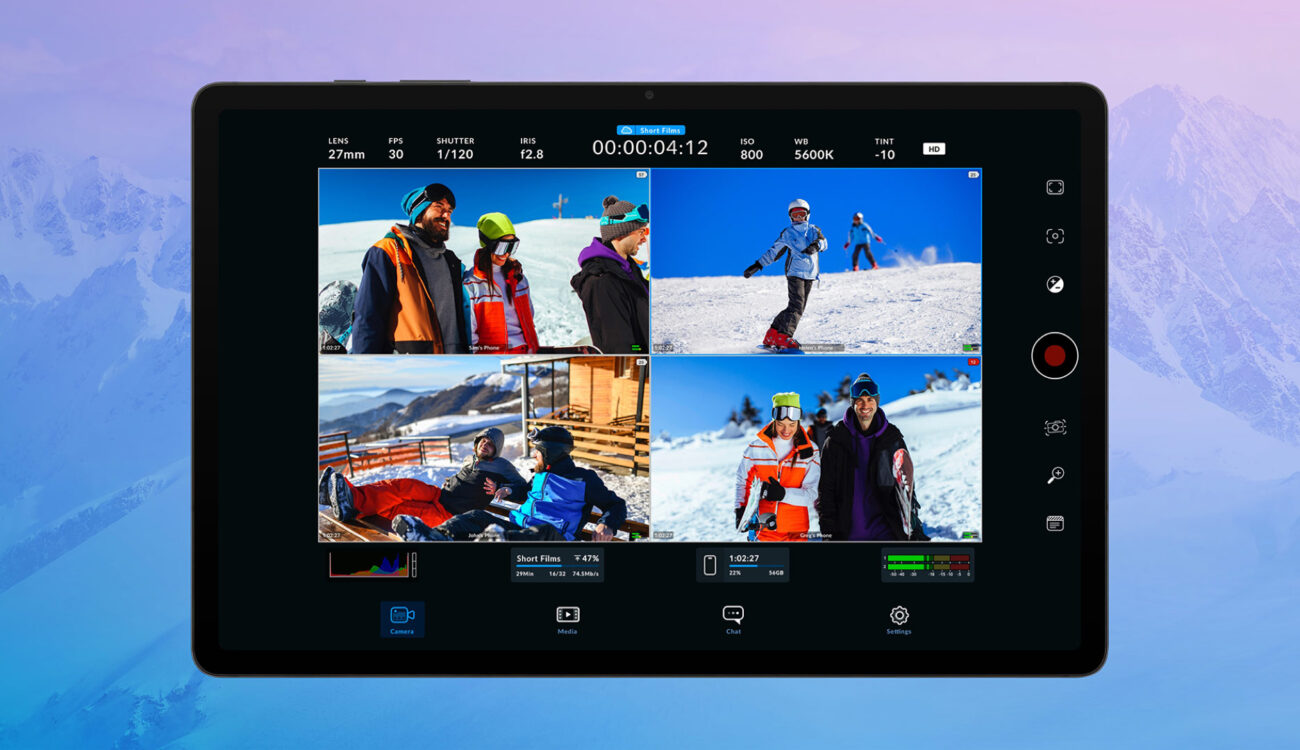
Technology has moved far beyond simple computing devices. Today’s digital tools are designed not only for convenience but also for security, reliability, and efficient identity management. Among the most innovative developments in this space are Biometric tablets, devices that combine portability with advanced authentication systems. These tablets are increasingly used in professional environments where identity verification and secure access are essential.
Unlike traditional tablets that rely solely on passwords or PIN codes, biometric-enabled devices incorporate fingerprint recognition, facial authentication, or other identity technologies. This capability makes them highly useful in industries where accurate user identification is necessary. From financial services to government administration, these devices are helping organizations manage secure digital processes more efficiently. As the world becomes more connected, the demand for secure yet flexible devices continues to grow. Tablets with biometric capabilities represent a significant step toward a future where mobility and security coexist seamlessly.
Why Organizations are Turning to Tablets
The value of tablets lies in their ability to merge portability with reliable security features. Businesses and institutions often handle sensitive data, making secure device access a priority. Biometric authentication ensures that only authorized individuals can use the device or access its information. These devices are especially helpful in environments where traditional identification systems can slow down operations. For example, instead of typing passwords repeatedly, users can simply authenticate their identity through fingerprints or facial recognition. This reduces time spent on login procedures while improving overall security.
Another advantage is their versatility. Biometric tablets can be used for multiple tasks including attendance management, identity verification, secure data entry, and field reporting. Organizations working in remote locations or mobile environments benefit from devices that combine security with portability. Educational institutions, healthcare organizations, and logistics companies are increasingly exploring biometric technology to simplify operations. By integrating secure authentication directly into portable devices, institutions can manage large numbers of users without compromising efficiency.
A Growing Demand for Secure Digital Tools
Across the globe, digital transformation is reshaping how organizations operate. As businesses adopt cloud systems, mobile platforms, and digital documentation, the need for secure devices has become more important than ever. This transformation is clearly visible in Pakistan, where technology adoption has expanded rapidly in recent years. Institutions in Pakistan are increasingly exploring biometric solutions for identity management, attendance systems, and secure record keeping.
Government departments and corporate organizations in Pakistan often require accurate identification processes when handling sensitive data. Biometric technology provides a reliable method for confirming identities without relying on easily forgotten passwords. Educational institutions throughout Pakistan have also begun exploring biometric tools for managing student records and attendance systems. Portable devices equipped with authentication features allow administrators to manage these processes more efficiently. With increasing digitization across industries in Pakistan, devices that combine mobility and security are becoming essential tools for both public and private sector organizations.
Technology Beyond Authentication
While biometric tablets focus on secure identity verification, they are also part of a broader ecosystem of digital technologies that support modern computing needs. Various devices are designed to enhance different aspects of digital interaction. For instance, visual display technology has improved dramatically in recent years. Devices such as gaming LED displays provide sharper colors and smoother motion, enhancing the experience for users who enjoy digital entertainment or visual design work.
Similarly, display innovations like curved LED monitors offer immersive viewing experiences that improve focus and reduce eye strain during extended use. These displays are commonly used by professionals who work with graphics, multimedia content, or complex data visualizations. Together, these technologies illustrate how the digital landscape continues to evolve. While biometric devices focus on security, advanced display systems enhance productivity and user engagement. Both developments contribute to a more dynamic and efficient digital environment.
The Expanding Role of Portable Technology
Portable devices are becoming central to modern workflows. Professionals increasingly rely on mobile technology to access data, communicate with colleagues, and manage projects while traveling or working remotely. Biometric-enabled devices strengthen this mobility by ensuring that security remains intact even outside traditional office environments. Employees working in the field can verify identities, record information, and access secure systems without returning to central offices. This capability is particularly useful in rapidly developing technology markets such as Pakistan, where digital services continue to expand across multiple industries. Organizations adopting secure mobile tools can improve efficiency while maintaining compliance with data protection standards.
Innovation Supporting Everyday Technology
The evolution of technology depends on companies that focus on designing reliable and accessible digital tools. Viper Technology offers devices that meet modern expectations for security, portability, and performance while remaining practical for everyday use. Our work reflects the ongoing effort to provide innovative devices that help organizations operate more efficiently. Ultimately, biometric technology represents more than just a new feature in portable devices. It reflects a broader shift toward secure, mobile, and intelligent computing systems that empower individuals and organizations to work confidently in an increasingly digital world.