
Made in Pakistan

The Expanding World of Android tablets

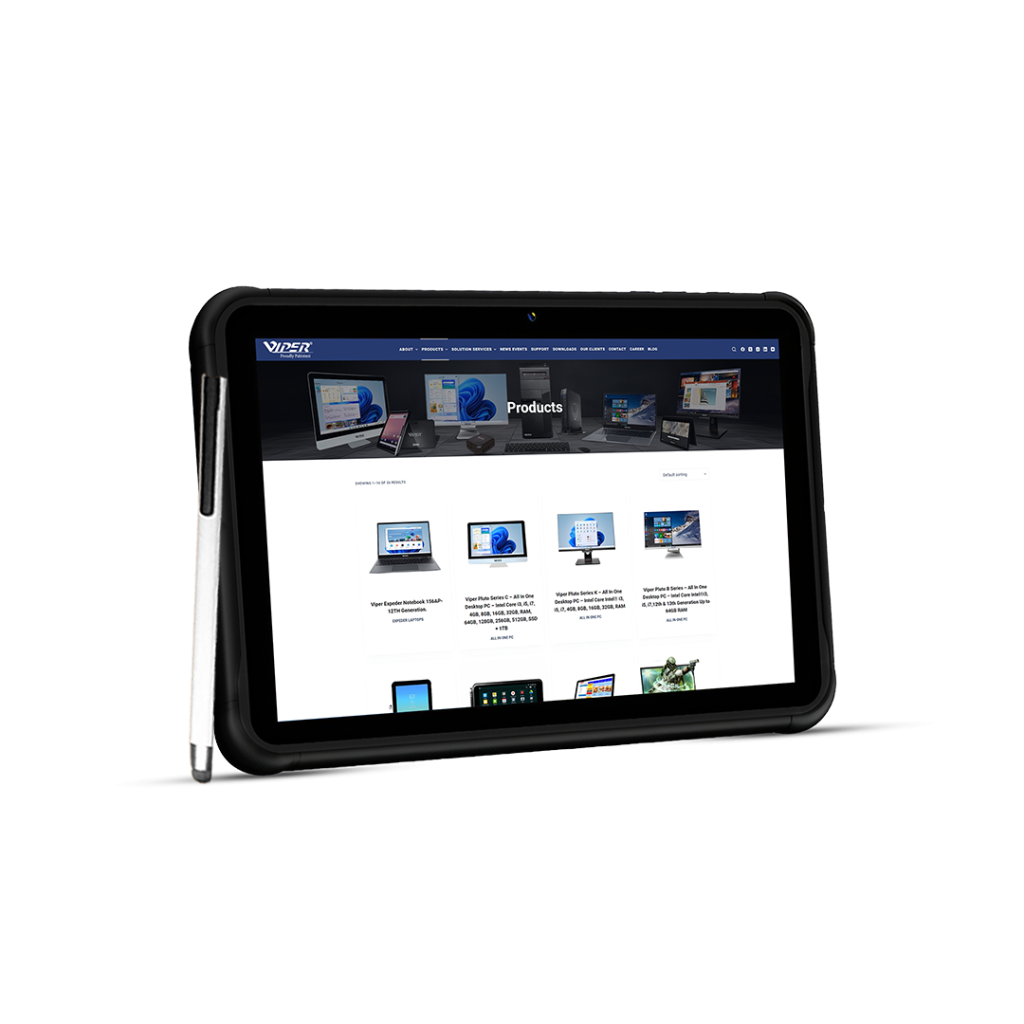
Technology changes quietly, yet its influence reaches nearly every aspect of daily life. Over the last decade, portable digital devices have become central tools for communication, education, creativity, and entertainment. Among these devices, Android tablets have grown into one of the most versatile technologies available to modern users. Their balance between portability and performance has positioned them as practical companions for students, professionals, and everyday users who want flexibility without sacrificing functionality.
The appeal of tablets lies in their ability to combine the mobility of a smartphone with the productivity of a laptop. Users can read documents, attend online meetings, create presentations, watch movies, or play games, all on a single device that easily fits into a backpack or handbag. As digital lifestyles continue to evolve, tablets are becoming an increasingly common presence in homes, offices, and classrooms.
Everyday Innovation with Android tablets
What makes Android tablets particularly appealing is their adaptability. These devices run on an open ecosystem that allows manufacturers to design products for different purposes, from education and professional productivity to entertainment and creative work. Students often rely on tablets for digital learning, online classes, and note-taking. With stylus support and multitasking capabilities, tablets can function as compact study hubs where users read textbooks, highlight important sections, and organize their coursework in one place. Professionals also benefit from tablet technology. Business users frequently use tablets for presentations, remote communication, and quick document editing while traveling. Their lightweight design and long battery life make them ideal for individuals who need productivity tools outside traditional office spaces. The entertainment potential of tablets is equally significant. High-resolution displays and powerful processors allow users to stream movies, browse social media, and play immersive games with ease. These capabilities have made tablets increasingly popular among younger audiences who enjoy digital entertainment on portable devices.
The Digital Transformation of Modern Lifestyles
Across the globe, digital transformation is reshaping how people interact with technology. Mobile devices now serve as gateways to education, business, and social interaction. This transformation is particularly visible in rapidly developing technology markets. In Pakistan, for example, access to digital devices has expanded dramatically in recent years. Students across Pakistan increasingly rely on portable devices to attend virtual classes, access educational platforms, and conduct research online.
The professional environment in Pakistan has also adapted to this digital shift. Remote work and flexible work arrangements have become more common, encouraging professionals to adopt portable devices that support productivity on the move. Educational institutions throughout Pakistan have begun integrating digital tools into classrooms as well. Tablets provide an accessible way for teachers to distribute digital learning materials while allowing students to explore interactive content. This growing reliance on technology means that devices must meet multiple needs at once; learning, communication, entertainment, and productivity, all within a single portable system.
Beyond Tablets: A Broader Technology Ecosystem
Although tablets play a central role in portable computing, they are part of a larger ecosystem of digital devices designed for specialized purposes. High-performance desktop systems, for example, remain essential for tasks that require greater processing power. Gaming enthusiasts often prefer devices such as a Gaming PC, which offers powerful graphics performance and customizable hardware. These systems allow users to enjoy high-definition gaming experiences that demand advanced processors and graphics cards.
Other specialized devices are designed for security and professional applications. For instance, biometric tablets integrate fingerprint recognition or facial authentication features to enhance security in environments where identity verification is essential. Such devices are increasingly used in industries like healthcare, banking, and government services.
Visual technology has also evolved significantly in recent years. Displays such as Gaming LED monitors provide vibrant colors and faster refresh rates, improving the experience for users who enjoy multimedia content or interactive gaming. These devices illustrate how digital tools continue to diversify to meet specific needs while remaining interconnected within a broader technological environment.
The Future of Portable Technology
As technology advances, portable devices will likely become even more powerful and versatile. Improvements in battery efficiency, processing speed, and display technology are already shaping the next generation of tablets and mobile systems. Users increasingly expect devices that can support work, learning, creativity, and entertainment simultaneously. Tablets are evolving to meet these expectations by offering improved multitasking features and enhanced connectivity with other devices. In countries such as Pakistan, where digital adoption continues to expand, portable technologies will play a key role in connecting individuals with educational resources, professional opportunities, and global communication networks.
Companies like Viper Technology contribute to this evolving technology ecosystem by providing a range of digital products designed for modern users. Our focus on innovative hardware solutions supports individuals seeking reliable technology for work, study, and everyday digital interaction. Ultimately, portable devices represent more than just convenient gadgets. We symbolize the growing integration of technology into everyday life, empowering people to learn, communicate, and create from almost anywhere in the world.