
Made in Pakistan

Exploring Curved LED Screens that Shape Vision

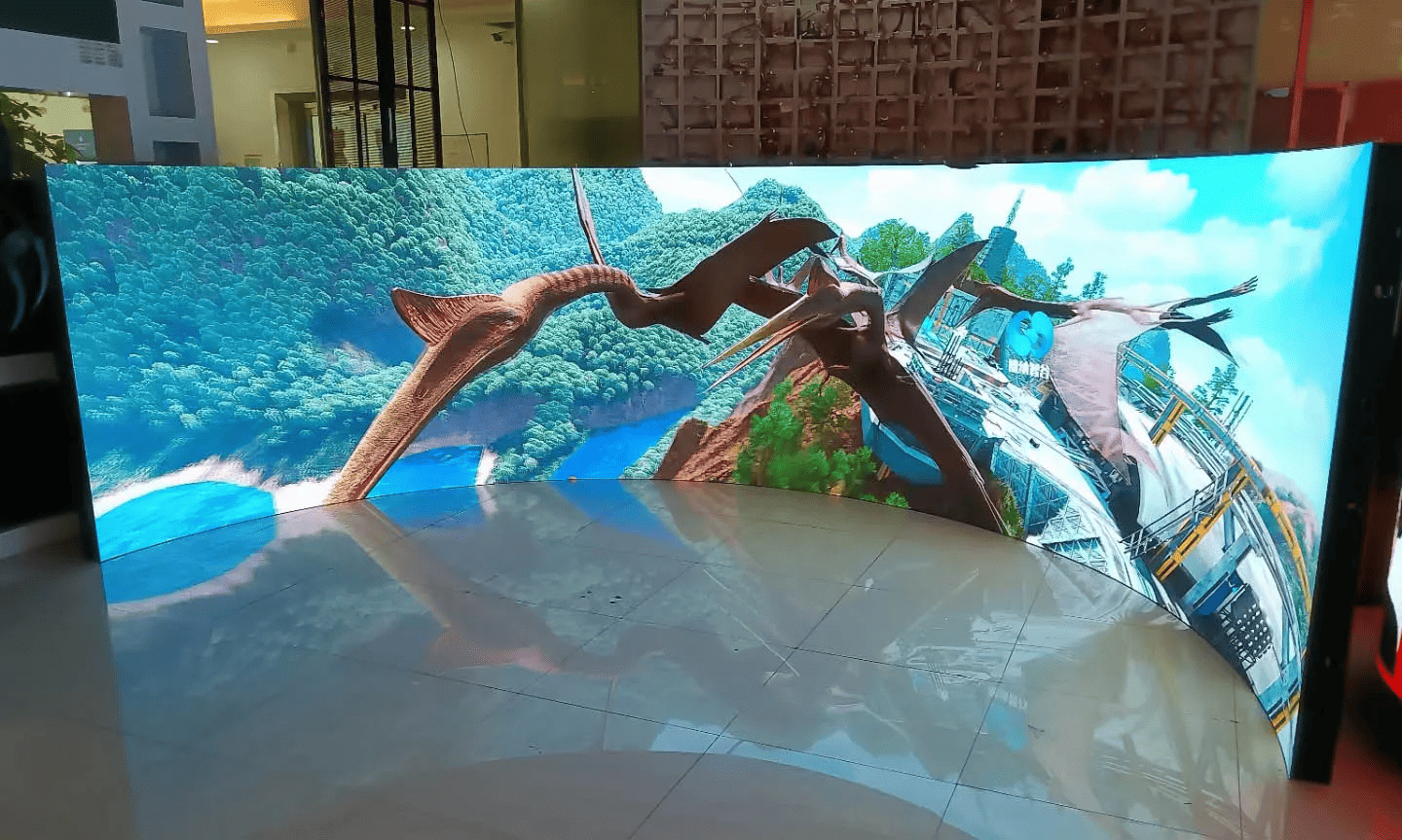
Technology continues to transform how people interact with digital content. From portable devices to immersive displays, innovations are reshaping everyday experiences at home, in offices, and even in classrooms. Among these developments, curved LED displays have gained remarkable attention for their ability to deliver a more immersive visual environment. Unlike traditional flat screens, these displays gently curve toward the viewer, creating a wider field of vision and a more engaging viewing experience.
The design is not simply about aesthetics. The curved structure of these displays is intended to match the natural curvature of the human eye. This design reduces distortion, improves depth perception, and allows users to focus on a wider screen area without constantly shifting their attention. As a result, curved displays have become popular among gamers, creative professionals, and technology enthusiasts who value both comfort and visual performance.
Why Many Users Prefer Curved LED
One of the most compelling reasons people choose these LED displays is the immersive experience they provide. Because the screen wraps slightly around the viewer’s field of vision, it creates the sensation of being surrounded by the content. This effect is particularly noticeable when watching films, editing videos, or exploring visually detailed environments. Another advantage is improved viewing comfort. Traditional flat screens can cause minor distortion at the edges when viewed from certain angles. Curved displays reduce this issue by keeping the distance between the viewer’s eyes and the screen more consistent across the entire display. This design helps maintain visual clarity while reducing eye strain during extended viewing sessions.
The wider field of view also enhances productivity. Professionals working with multiple windows, complex data sets, or detailed visual projects often benefit from the expanded workspace provided by curved displays. Designers, video editors, and programmers frequently choose these monitors because they allow more information to be visible at once. Beyond professional tasks, curved displays have become a central part of modern entertainment setups. Streaming movies, browsing multimedia content, or playing interactive games becomes more engaging when visuals feel closer and more dynamic.
The Expanding Digital Landscape
Display technology is only one part of a larger ecosystem of modern digital tools. Devices designed for mobility, security, and entertainment continue to evolve alongside advanced display systems. Portable computing devices have become essential in both educational and professional environments. For instance, Biometric tablets combine mobility with advanced security features such as fingerprint recognition and facial authentication. These devices are commonly used in industries where secure data access and identity verification are important.
Gaming technology has also advanced rapidly in recent years. Displays like gaming LED monitors are designed with faster refresh rates and improved color accuracy to support high-speed interactive environments. These features provide smoother motion and sharper visuals for users who enjoy immersive digital entertainment. Together, these technologies demonstrate how modern digital tools continue to diversify. Portable devices improve mobility and security, while advanced displays enhance visual engagement and productivity.
A New Era of Digital Adoption
The growing popularity of advanced technology is evident in many developing digital markets around the world. Access to modern devices is expanding as individuals and organizations integrate digital tools into everyday activities. This trend is particularly visible in Pakistan, where digital technology adoption has accelerated significantly in recent years. Consumers in Pakistan are increasingly exploring new display technologies and computing devices to improve their entertainment and productivity experiences. The rise of remote work and online learning has also influenced how technology is used in Pakistan. Professionals rely on high-quality displays for video conferences and digital collaboration, while students use advanced screens to engage with educational content more effectively. Gaming communities in Pakistan have also contributed to the demand for advanced displays. As esports and online gaming grow in popularity, players seek hardware that enhances their performance and immersion.
Beyond Aesthetic Appeal
While curved displays are visually striking, their value extends far beyond appearance. Their design improves both functionality and user comfort, making them suitable for various professional and personal applications. Curved displays often provide enhanced depth perception, allowing users to experience more realistic visuals. This can be especially beneficial in creative industries such as graphic design, video editing, and animation, where visual accuracy matters. Another important advantage is reduced distraction. Because the edges of the display curve inward, users can maintain focus on the central content without being distracted by surrounding elements. This subtle design feature helps create a more concentrated working or viewing environment.
A Glimpse into the Future of Display Technology
As technology continues to evolve, display systems will likely become even more advanced. Improvements in resolution, brightness, and energy efficiency will further enhance how people interact with digital environments. Companies like Viper Technology contribute to the development of modern computing hardware by offering innovative devices designed for today’s digital users. Our work reflects the ongoing effort to provide technology that balances performance, reliability, and accessibility.